
There is a difference between reacting and preparing. Reacting happens after a fall. After a hospital stay. After a frightening phone call. Preparing happens during ordinary days, when nothing dramatic has occurred yet but something feels slightly different.
Many families begin exploring Homewatch Caregivers Novi during that quieter stage. Not because everything is falling apart. Because they can sense change coming and would rather meet it calmly than chase it later.
Building A Flexible Framework
Care does not need to begin at full capacity. It can start lightly.
For example:
- Occasional housekeeping support
- Transportation for medical appointments
- Weekly medication organization
- Short companionship visits
This light structure acts as a foundation. If health changes later, services can expand without rebuilding everything from the beginning.
Planning ahead creates a base instead of scrambling to create one under pressure.
Watching Patterns Instead Of Incidents
One missed meal may not mean much. Three missed meals in a week tell a story.
One stumble might be harmless. Repeated balance issues signal a trend.
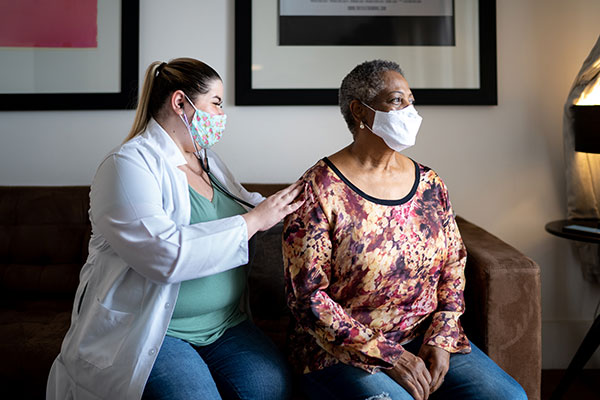
Preparation means paying attention to patterns. Caregivers who become involved early can also monitor those patterns consistently, noting small changes before they escalate.
Small observations often prevent larger emergencies.
And prevention feels far less chaotic than recovery.
Financial Clarity Reduces Future Stress
Discussing cost during calm periods prevents tension later. Long term care insurance, veterans benefits, private payment options. These topics deserve time.
When families look into Homewatch Caregivers Novi, part of planning often includes understanding what is financially realistic. Exploring those details early avoids rushed decisions made under emotional strain.
Clarity around finances supports stability.
Allowing Care To Grow Naturally
Health evolves gradually in most cases. Energy shifts. Mobility slows. Memory becomes less predictable.
When a structured support system is already in place, growth in services feels natural. Morning visits may become daily. Daily visits may include overnight supervision.
Nothing feels sudden.
Nothing feels like an emergency solution.
It feels like adaptation.
When a plan already exists, families do not argue about what to do next. They follow the path they discussed earlier.
That calm protects both seniors and adult children from unnecessary tension. Planning ahead is not about assuming decline. It is about respecting that aging brings change. By preparing thoughtfully, families replace urgency with structure.